 01
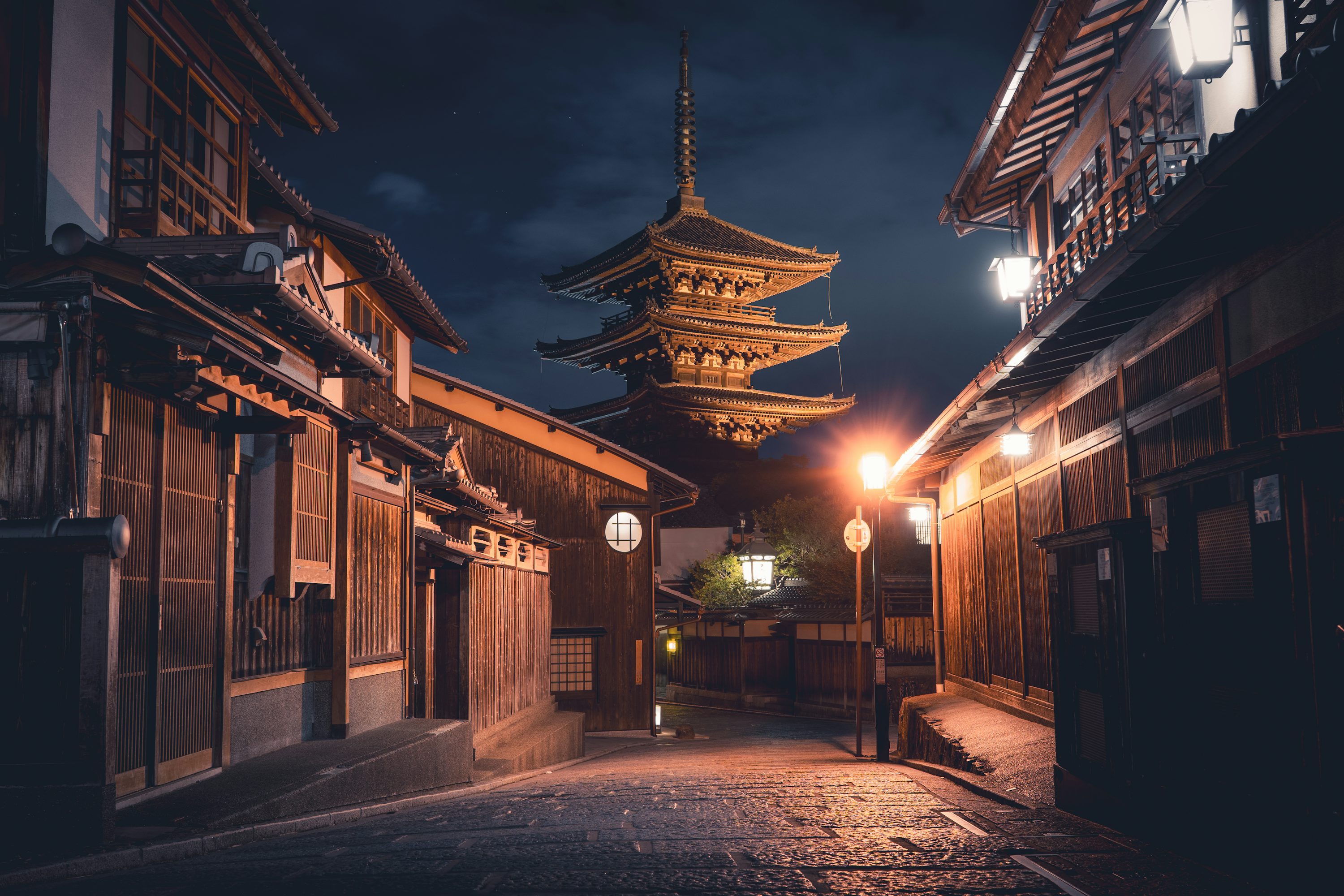
01Tokyo, ryokan, Kyoto
A strong first route: five nights in Tokyo, two in an onsen area and five in Kyoto. The middle stop breaks up the city-to-city travel without taking time away from either city.
View illustrative itinerary
THE LOOP TAKE
For a first trip, give Tokyo and Kyoto real stays. Then choose one third chapter that changes the experience: an onsen stay, a smaller culture city or mountain time. Trying to add Osaka, Nara, Hiroshima, Hakone and Kanazawa to ten nights turns the trip into check-ins and train platforms.
WAYS TO DO JAPAN
Use these as starting shapes. Each one makes a different choice about time, rail and what a good Japan trip should feel like.
01A strong first route: five nights in Tokyo, two in an onsen area and five in Kyoto. The middle stop breaks up the city-to-city travel without taking time away from either city.
View illustrative itinerary
 02
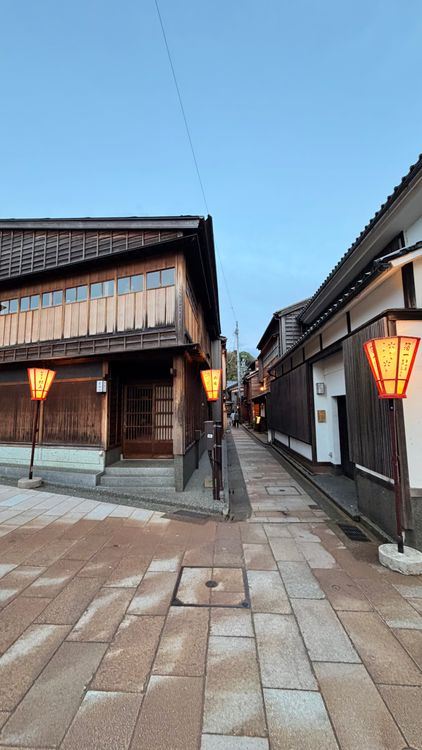
02Choose Kanazawa when food, craft, gardens and a smaller city matter more than an onsen stay. Give it two or three nights, not one.
03Build around onsen, snow country or Hokkaido only if winter is the reason for going. Tokyo and Kyoto do not need to be dropped, but the route should make room for the season.
04Start with Tokyo and Kyoto, then add one regional food chapter. Do not turn every meal into a booking or every city into a tasting list.
WHERE TO STAY
The right base reduces the number of long transfers and changes what an ordinary morning or evening can hold.
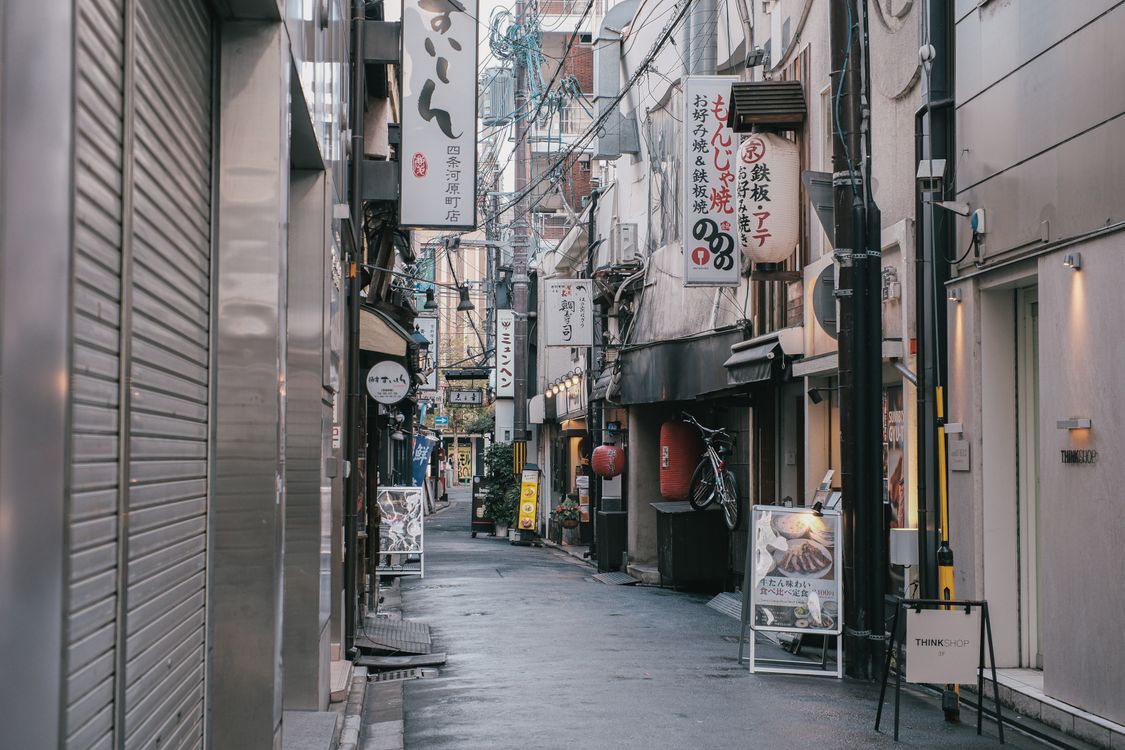
01Give Tokyo four or five nights if food, neighbourhoods and design matter. Keep days on one side of the city rather than crossing it repeatedly.
Use Kyoto for temples, gardens, craft and food. Stay long enough to see key places early or late, not only in the busiest daytime hours.
Explore this way to travel
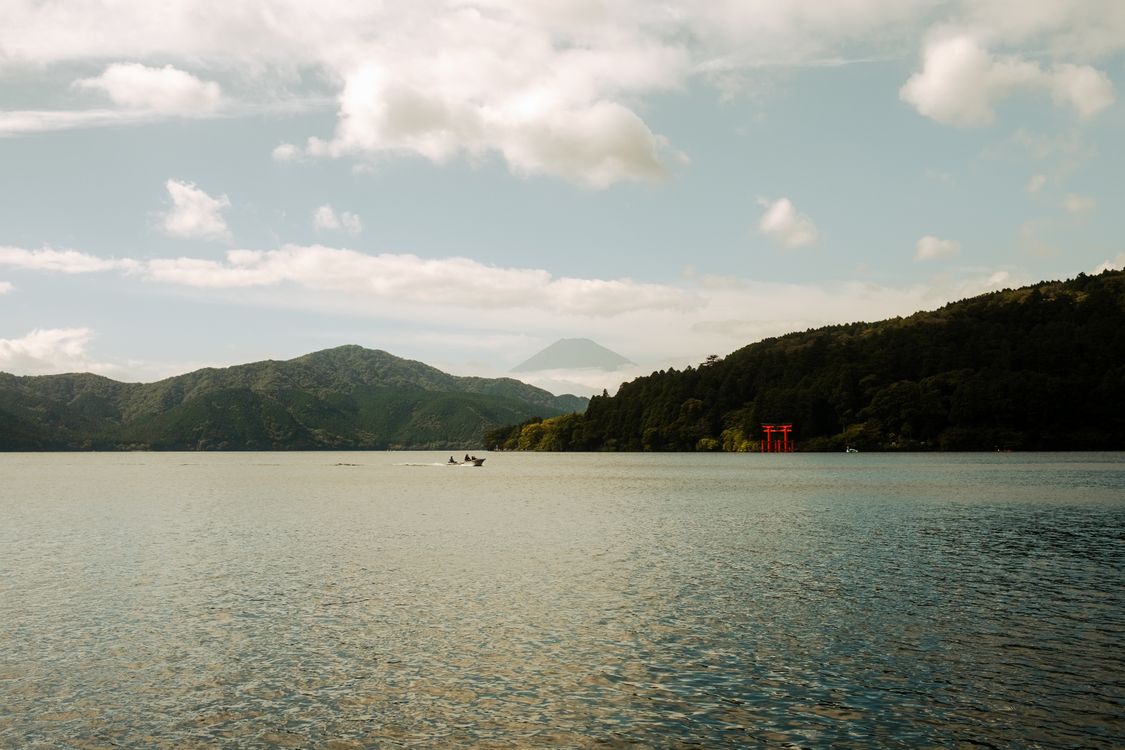
03Choose this for a two-night ryokan and onsen chapter between Tokyo and Kyoto. Fuji views are weather-dependent, so the stay must be worth it without them.
04A compact alternative third stop for gardens, craft and food. It works when you want a smaller city, not another large urban chapter.
THE DECISIONS THAT SHAPE THE TRIP
Tokyo gives you neighbourhoods, restaurants and contemporary Japan. Kyoto gives you cultural depth when you use the edges of the day. Hakone changes the middle of the route with a ryokan stay. Kanazawa is the stronger alternative if you want a smaller city with craft and gardens.
WHEN TO GO
Spring and autumn are popular and busy. Summer can be hot and humid in Tokyo and Kyoto. Winter is a better fit for onsen, snow and clearer Pacific-side city days. We do not publish fixed blossom or foliage dates because they change by year and region.
A good time for
Good for fresh greenery and blossom travel if you accept crowds and date uncertainty.
A good time for
A strong choice for food and cultural routes, with popular foliage periods needing a current check.
A good time for
Choose winter for onsen and snow country, not because you expect the same conditions across the whole country.
GOOD TO KNOW
The Shinkansen is a sensible Tokyo to Kyoto link. For the onsen or rural chapter, luggage forwarding can make the move much easier. Oversized baggage rules and train reservations need checking against the actual service and travel date, rather than being left until arrival.
Entry requirements
Passport and entry rules depend on nationality and purpose of travel. Check current official guidance before booking.
Oversized baggage
JR Central has reserved-space rules for oversized cases on relevant Shinkansen services. Check the current rule for the trains you will use.
Rail and rural travel
Rail works well between big cities. A scenic or rural area may still need local transport or a transfer arranged around the hotel.
A SHAPE TO BEGIN WITH
This illustrative 12-night route gives Tokyo and Kyoto five nights each, with two nights in an onsen area between them. It is a useful first-trip structure because the cities get time and the middle stop has a clear purpose.
START WITH THE PART OF JAPAN YOU CARE ABOUT MOST.
2
Start planningExplore Japan