 01
01The Long Way Round
A 13-night road-led arc through Sossusvlei, Swakopmund, Damaraland and Etosha. The classic Namibia shape, given enough nights.
View illustrative itinerary
THE LOOP TAKE
The classic route works because each long drive leads to a different landscape. Give Sossusvlei at least two or three nights, Swakopmund two, Damaraland three and Etosha three or four. Shorten the route if you do not want that much time in the car.
WAYS TO DO NAMIBIA
Choose the full road route if you enjoy driving through desert landscapes. Choose a shorter Namib and Etosha trip if you have less time. Use light aircraft for remote areas only when the extra cost and baggage limits make sense for the route.
 01
01A 13-night road-led arc through Sossusvlei, Swakopmund, Damaraland and Etosha. The classic Namibia shape, given enough nights.
View illustrative itinerary
 02
02For fewer nights, put the desert and waterhole wildlife first rather than adding every region.
03Use light aircraft when remote northern chapters matter more than the driving experience. Weight and routing are live operational details.
 04
04For landscape, fog and a quieter trip that does not need to promise wildlife as the main event.
CHOOSE A BASE
Near Sossusvlei, early dune access matters. In Etosha, the lodge position affects how much driving you do to reach waterholes. In Damaraland, the point is the landscape, so do not use it as a single overnight stop.
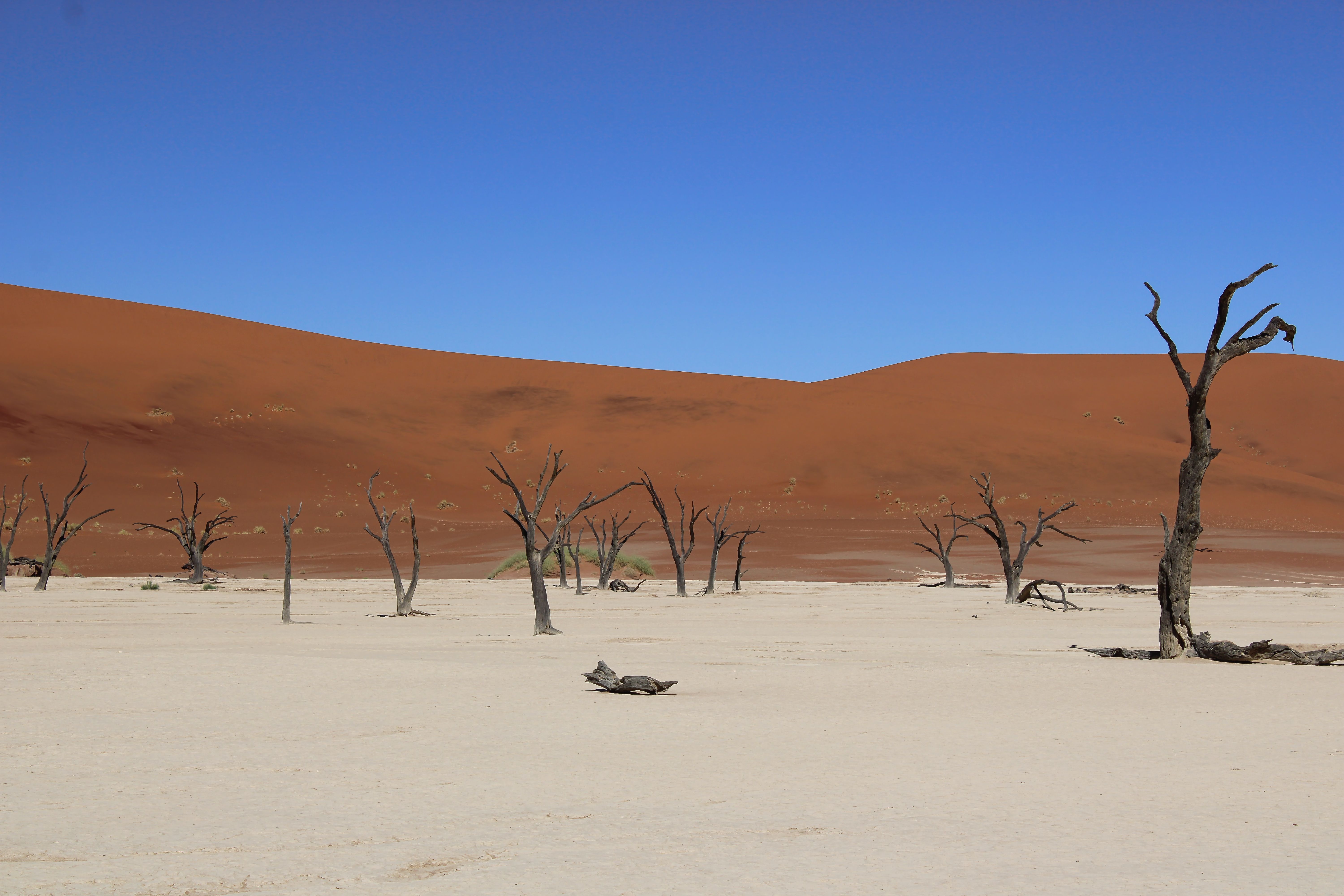
01For red dunes and pale pans, with early access and heat shaping the way the day is built.
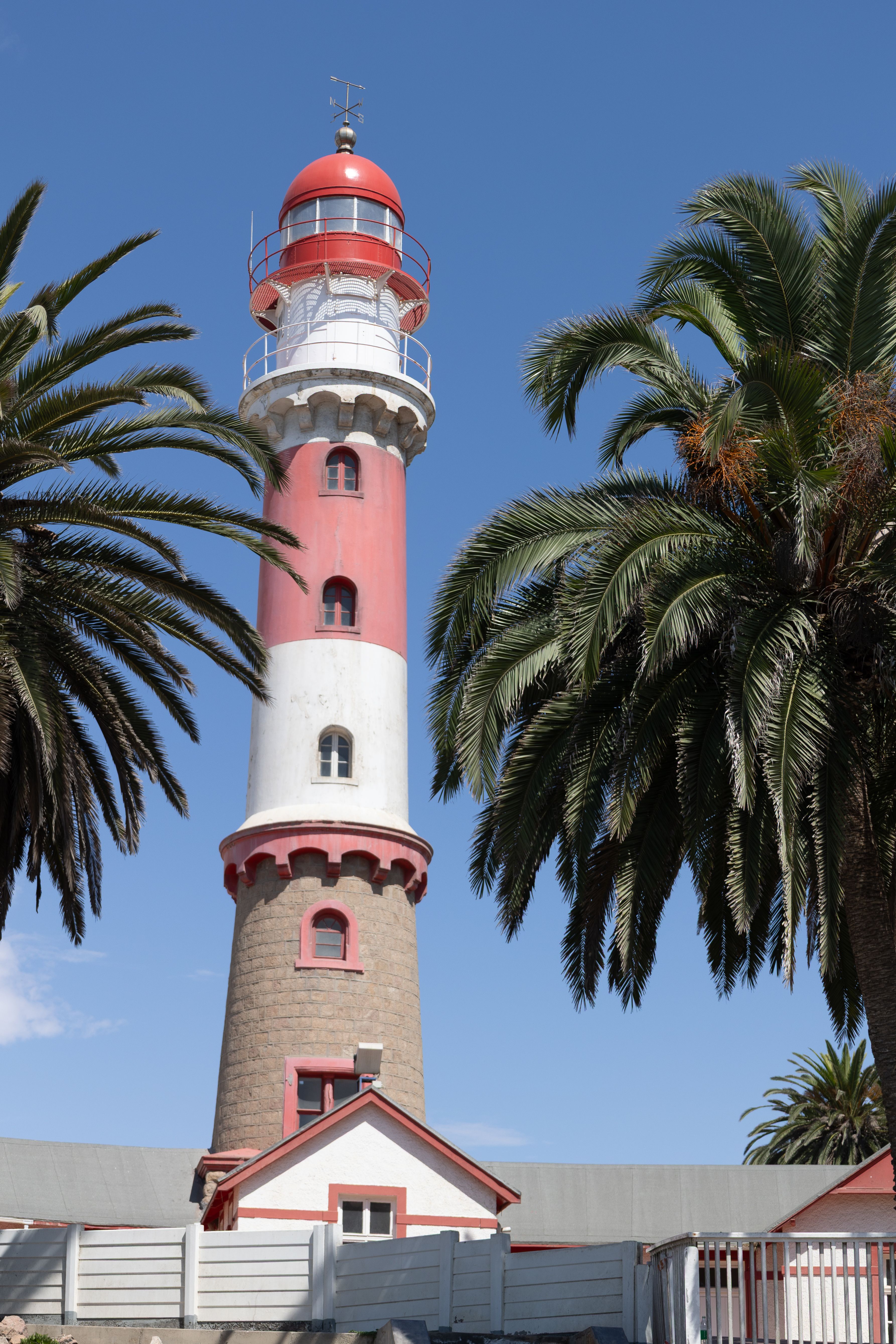
02For an Atlantic contrast after the Namib. Expect a different coast, not a generic beach chapter.
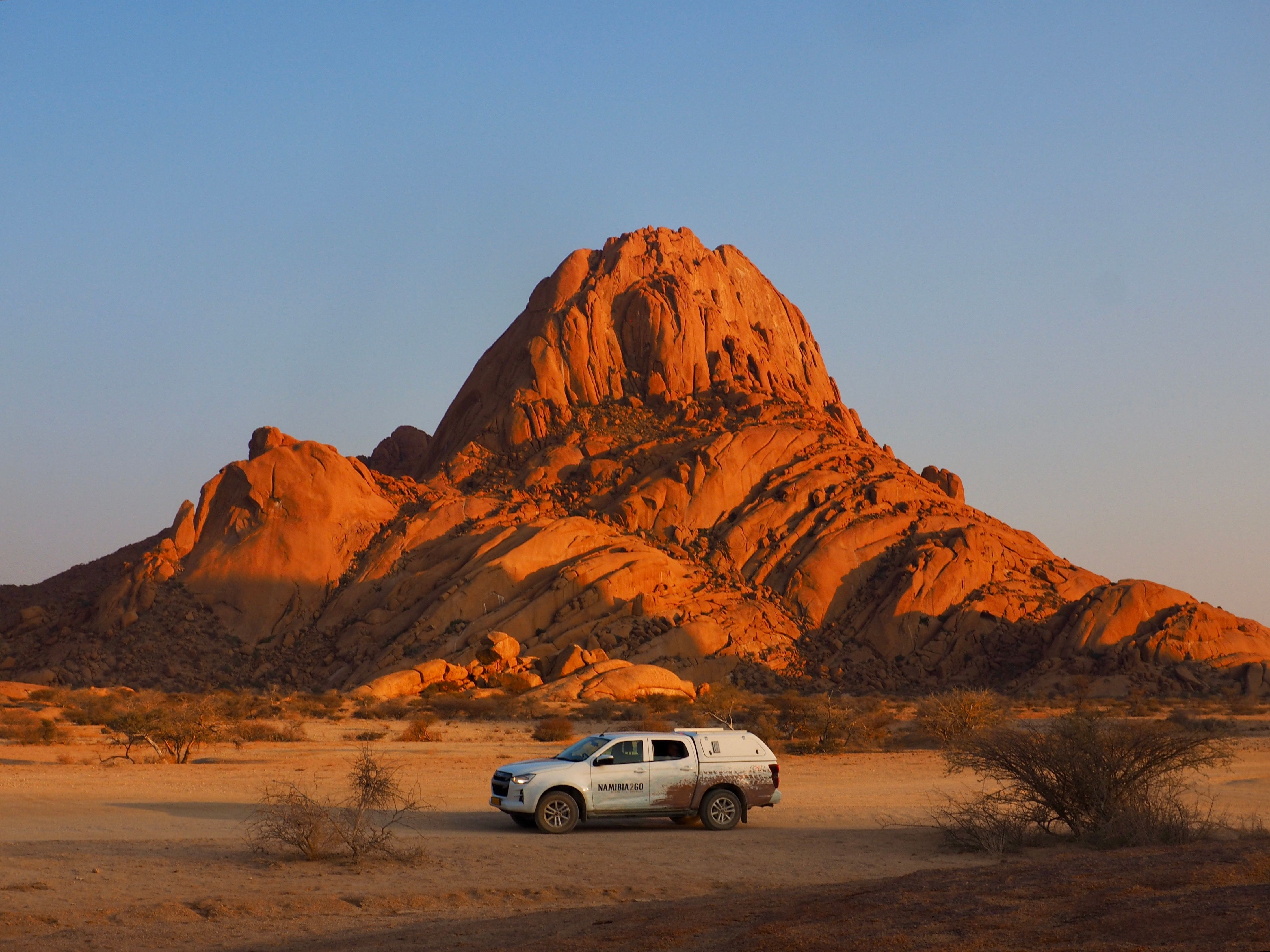
03For dry riverbeds, rock and a much larger sense of space. It needs enough nights to justify the road.
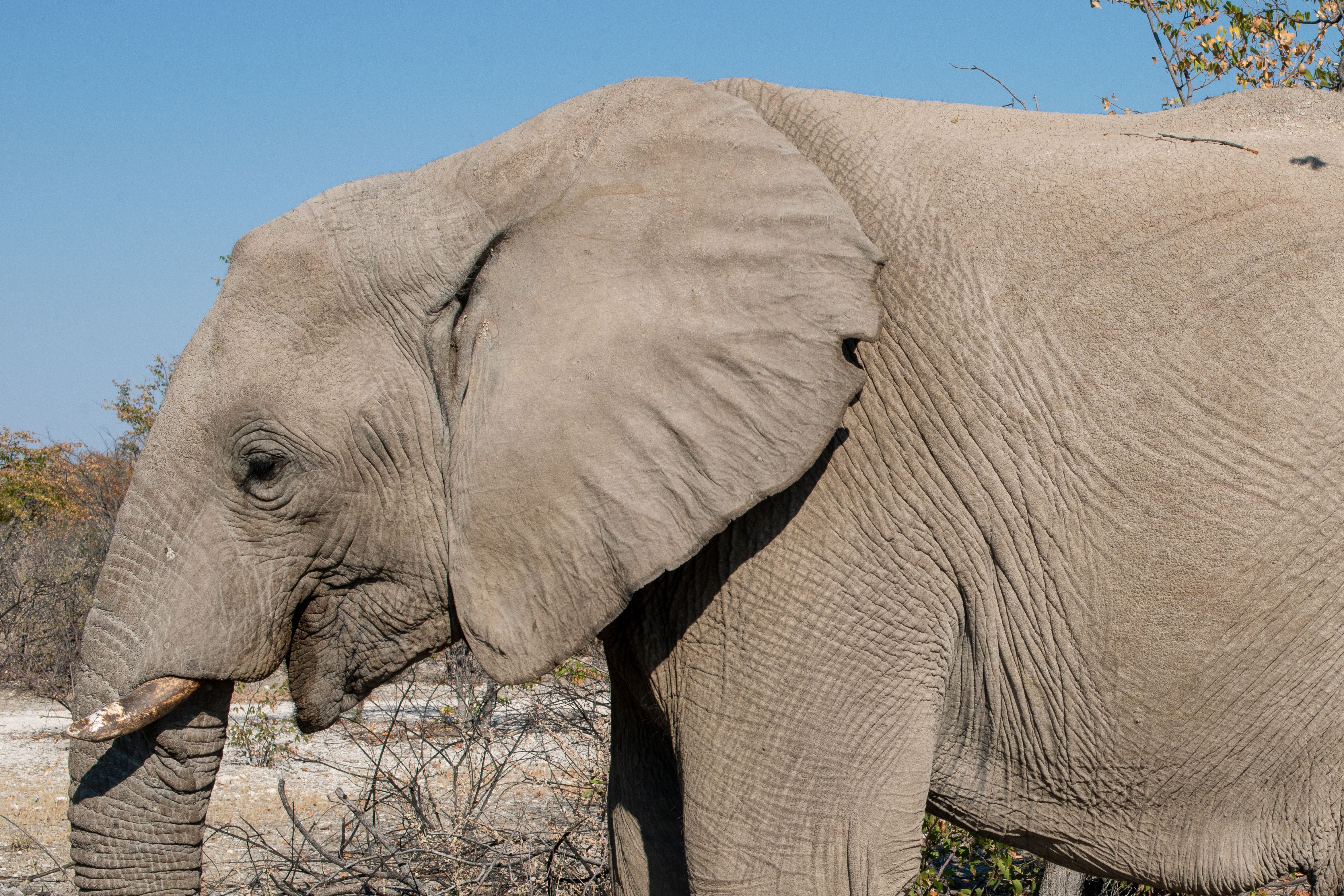
04For waterhole-led wildlife time. The exact lodge position changes the driving pattern and what each day can hold.
THE DESTINATION, FELT
Sossusvlei is for dunes and early desert light. Swakopmund is a cooler Atlantic break. Damaraland is for rock landscapes and wide open driving. Etosha is for waterhole wildlife. The route works because each stop is different.
WHEN TO GO
In the desert, early starts are usually the comfortable option. The Atlantic coast can be cool and foggy. Gravel roads and wildlife make after-dark driving a poor plan. We use the season to set the route and daily timings.
A good time for
Heat shapes how early activity needs to begin. We plan the day around it.
A good time for
Fog and cooler conditions are part of the coastal contrast, not an unexpected failure of sunshine.
A good time for
Animal movement and waterhole activity vary. We plan for the landscape and leave wildlife as a possibility.
GOOD TO KNOW
Visa rules, road conditions, park access, health requirements and light-aircraft baggage rules are all checked for the final route. We only include a long road day if the destination at the end is worth it.
Entry and visas
Use current official guidance, including the applicable Namibia visa process, before travel.
Road travel
Distances, gravel roads, daylight and seasonal conditions determine what is a sensible day.
Wildlife and conservation
We build around the ecosystem and responsible viewing. No sighting is a promise.
A SHAPE TO BEGIN WITH
A clearly illustrative 13-night Namibia route through Windhoek, Sossusvlei, Swakopmund, Damaraland and Etosha, with each major stop held for more than one night.
START WITH THE DISTANCE
Tell us how many nights you have, when you want to travel and which parts of the destination matter most. We will recommend a route that gives them enough time.
Start planning