Scenic Yacht and Expedition Cruises: Which Is Right for You?
Scenic Eclipse offers a very different way to explore the world, from Mediterranean coastlines to polar regions. Here’s how its small-yacht and expedition voyages compare, what life on board is like, and how to choose an itinerary that suits you both.
By Loop Travel
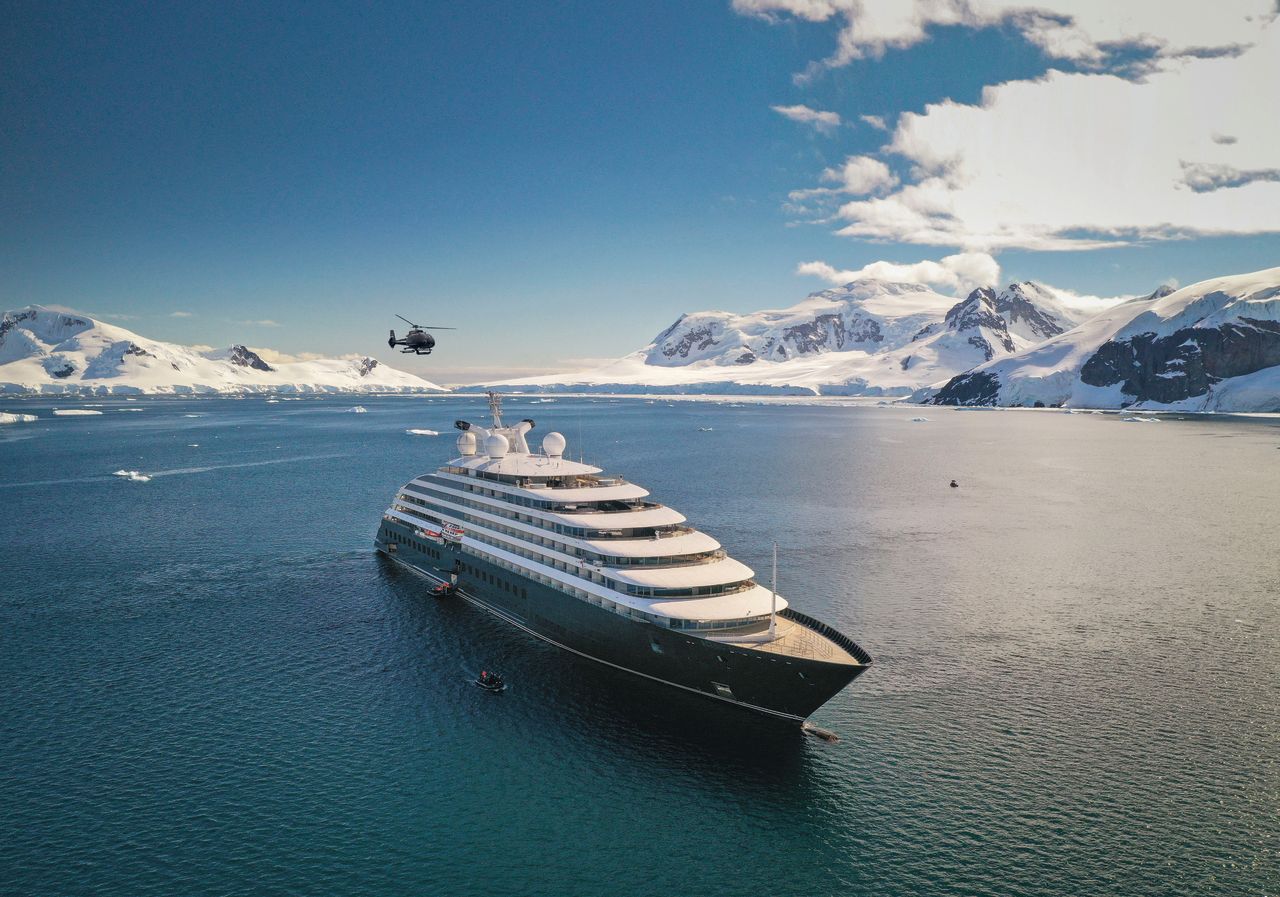
What makes a Scenic Eclipse cruise different?
Scenic Eclipse is a good option for couples who like the idea of exploring several destinations without repeatedly packing, but don’t see themselves on a conventional large cruise ship. Its two Discovery Yachts, Scenic Eclipse and Scenic Eclipse II, are designed around spacious suites, a relatively small number of guests and time spent experiencing the places you visit.
The important distinction is where you sail and how you explore. Some itineraries focus on coastal towns, culture and food, with organised visits ashore. Others head into remote regions where Zodiac boats, specialist guides and flexible plans are essential. Both offer a comfortable base; the days themselves can feel very different.
Think of the ship as a way to move between places rather than the main attraction. For the right itinerary, you can unpack once, spend your days exploring and return to familiar surroundings each evening.
Small-yacht discovery or expedition: what is the difference?
A discovery-style voyage is the easier starting point if you want to enjoy destinations with a mix of independent time, guided excursions and the ship’s facilities. Mediterranean and other coastal itineraries may feature historic ports, islands and opportunities to spend time ashore. The emphasis is on seeing more of a region without changing hotels.
An expedition voyage puts the landscape, wildlife and conditions at the centre of the experience. In places such as Antarctica, Greenland and the Canadian Arctic, your day could involve a guided Zodiac outing, observing glaciers from the water or listening to the Discovery Team explain the environment. Landings and activities depend on local conditions, and plans may change.
There is also a middle ground: Scenic describes some journeys in remote but warmer regions as Discovery Voyages, with guided Zodiac outings and water-based activities where appropriate. Don’t assume the word “yacht” means beach hopping or the word “discovery” means an easy stroll through a port. Read the individual itinerary, not just the voyage label.
Where could you go?
The Mediterranean and European coastlines: A strong choice for couples who enjoy culture, architecture, restaurants and smaller coastal stops. Look at the balance between time in port and time at sea; a famous destination list is less useful if the visits feel rushed.
Antarctica and the Arctic: These trips are about the environment itself. Ice formations, rugged coastlines and the possibility of seeing wildlife are the draw, rather than a succession of towns. Expect an itinerary shaped by weather, sea ice and expedition decisions, not a fixed checklist of landings or sightings.
Indonesia and other parts of Asia-Pacific: Routes can combine remote islands, reefs, communities and regional history. Scenic has operated Discovery itineraries covering places such as Raja Ampat and the Spice Islands. Some excursions may be water-based, so it is worth checking swimming ability, activity options and the amount of time spent travelling between islands.
Australia’s remote coastlines: On relevant Discovery routes, the Kimberley and Western Australian waters offer dramatic coastal landscapes and nature-led exploration. These are particularly interesting if you have already visited Australia’s major cities and want to experience a less familiar side of the country.
Exact routes change between seasons. We would shortlist by the places you genuinely want to explore, then compare the dates, ship and day-by-day programme.
What is life on board actually like?
Scenic positions Eclipse as an ultra-luxury, all-verandah suite experience with butler service, multiple dining venues, lounges and wellness facilities. That matters on a voyage where the ship is your home for a week or longer: you have somewhere comfortable to return to after busy days ashore.
The relatively small guest numbers also change the feel compared with a large resort-style ship. Scenic advertises up to 228 guests on some non-polar voyages and reduced guest numbers on certain polar itineraries. That does not make every sailing quiet or identical, but it does create a different scale of experience.
It is also worth understanding what “all-inclusive” means for your specific voyage. Scenic lists dining, a selection of drinks, gratuities and various excursions among the inclusions on its published itineraries. However, not every activity is automatically included. Scenic’s helicopters and submersible, where available, are subject to additional conditions and charges; equipment, operational permissions and weather also affect what can run.
If one particular experience is the main reason you want to travel, make sure it is an opportunity rather than an assumption.
Is an expedition cruise too adventurous for us?
Not necessarily. You do not have to be an experienced explorer to enjoy a nature-led voyage, and the ship can be a very comfortable place to travel from. But expedition cruising does ask you to be more flexible than a standard sightseeing holiday.
In polar regions, activities may involve boarding small boats and, when permitted, stepping onto uneven or slippery terrain. Operators set activity requirements and safety procedures; your own mobility, confidence on the water and willingness to adapt matter more than whether you consider yourselves “adventurous”.
For some couples, the appeal is joining every outing. Others will be happiest viewing the scenery from the ship, taking part in selected excursions and attending expert talks. The right choice depends on which experiences are important to you and what is realistically available on that itinerary.
It is equally fine to decide that a discovery cruise along a warmer coastline is more your style. A holiday should suit how you actually enjoy travelling, not how adventurous the brochure makes you feel.
How to choose the right voyage as a couple
Before looking at cabins or departure dates, agree what you want your days to look like. These questions usually narrow the choice much faster than comparing ships:
Destination or ship? Would you still want to take this trip if the headline onboard activities did not operate?
Culture or nature? Are you more excited by wandering around historic towns or heading out with guides to explore remote landscapes?
Active or flexible days? Do you want to join excursions most days, or have the option to stay on board without feeling you are missing the point?
Time away: Allow for international flights, potential pre-cruise nights and any extra time you want to spend independently before or after sailing.
Total holiday cost: Compare what your chosen fare includes, along with flights, additional activities, insurance and any pre- or post-cruise arrangements.
A shorter coastal itinerary can be an excellent introduction to yacht cruising. If Antarctica or a remote archipelago is the reason you want to travel, choosing the expedition for its destination may make more sense than treating it as a trial run.
The best starting point is a conversation about where you want to go and what you want to do there. At Loop Travel, we can help compare Scenic’s routes and the practical details, then work out how the cruise fits into the rest of your holiday.