South Africa for Couples: Cape Town, Wine and Safari
South Africa combines city life, food and wine with excellent wildlife experiences, but the order and distances matter. Here is how to build a trip that balances Cape Town, the Winelands and safari without turning every other day into a transfer.
By Loop Travel
How long do you need?
For a first visit that includes Cape Town, wine country and a proper safari, around 12 to 14 nights is a useful starting point. It gives each part of the journey room to be enjoyed rather than treated as a tick-box stop. A shorter trip can work, but it is normally better to leave something out than cut the safari down to a single night.
An example structure is four nights in Cape Town, two or three nights in the Winelands, three or four nights on safari and some flexibility for travel days or an extra stop. These are planning allocations, not a fixed itinerary. Where you fly into and out of, and which reserve you choose, can change the best order significantly.
For couples with ten nights or fewer, we would usually prioritise Cape Town and safari, then consider the Winelands as a day trip or short extension. Choosing fewer hotels often makes the holiday feel more rewarding.
Cape Town: give the city proper time
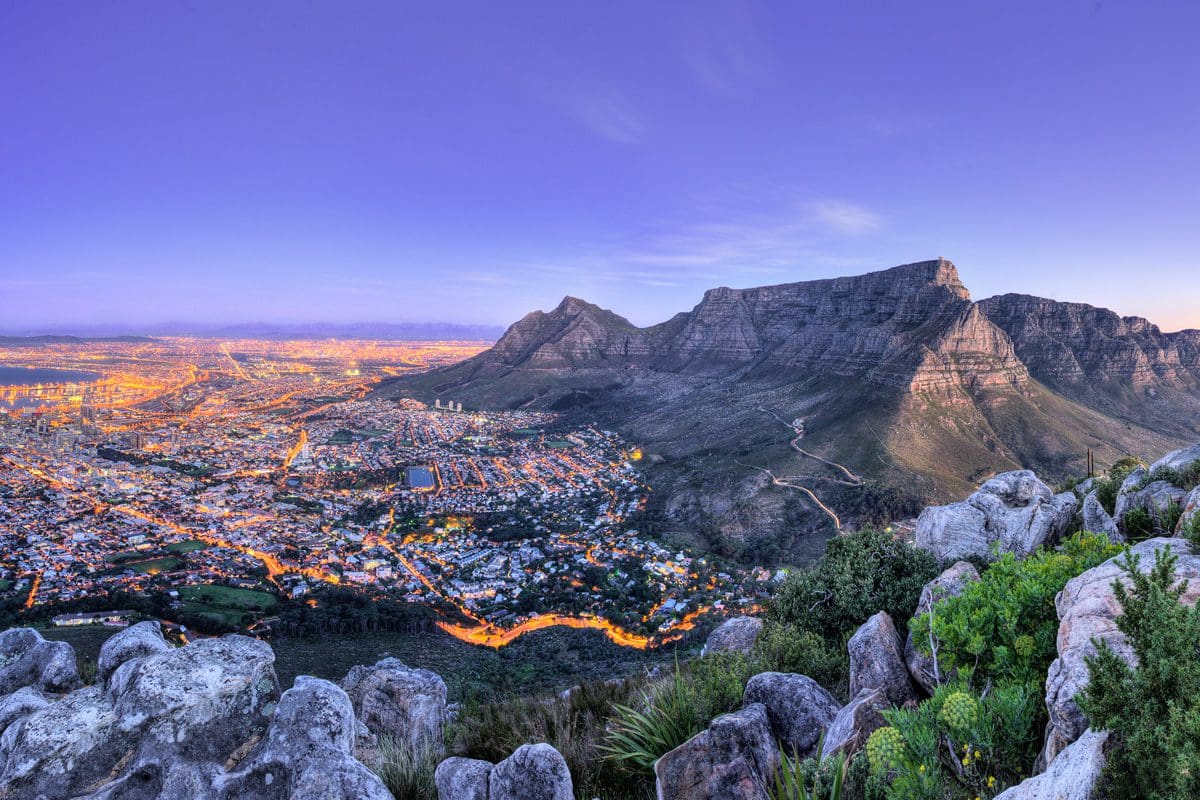
Cape Town is much more than a convenient place to begin. Allow time for Table Mountain when visibility permits, the V&A Waterfront, neighbourhood cafés and coastal scenery around the Cape Peninsula. Basing yourself centrally makes evenings easier; staying near Camps Bay may appeal if you prefer a coastal setting, but consider travel times for sightseeing and dinner reservations.
Weather can affect Table Mountain and boat-based activities, so avoid scheduling the one thing you most want to do for the final afternoon. A flexible morning is useful. If you enjoy food and independent exploring, Cape Town is also somewhere that rewards a free day without a long list of organised excursions.
The Cape Peninsula is worth treating as a substantial outing rather than something to squeeze between breakfast and lunch. Road travel, stops and changing conditions all affect the day.
Stellenbosch or Franschhoek?
Stellenbosch makes a good base if you want a lively town, varied restaurants and access to numerous wine estates. Franschhoek is smaller and particularly appealing for couples planning relaxed meals and vineyard visits. Both offer accommodation that ranges from town-centre properties to more secluded estate stays.
Two nights lets you settle in and enjoy a full day; three gives you room for a slower pace. Think about whether you want to walk out for dinner or spend most of your time within a particular estate. That choice is often more important than which region looks best in photographs.
Wine tasting and driving do not mix. Plan a guided outing, an organised tasting route or suitable transport rather than assuming you will drive between estates all day.
Which safari region makes sense?
The Greater Kruger area is a classic choice, with a wide selection of lodges and private reserves. There are also safari options in the Eastern Cape and other regions. The best fit depends on the wildlife experience you want, flight connections, comfort level and any health considerations relevant to your route.
A private reserve with guided game drives offers a different style of stay from a self-drive visit to a national park. Neither is automatically better: guided lodge safaris suit couples who want the experience organised around wildlife viewing, while self-driving can be rewarding for those who value independence and are comfortable with the practicalities.
Aim for at least three nights in one safari lodge where possible. Wildlife is unpredictable, and staying longer gives you more opportunities for different sightings, landscapes and guide experiences. No particular animal can be guaranteed.
Before you book: the questions worth asking
What is your ideal balance between active days and relaxed ones? A couple who wants three days of sightseeing in Cape Town, a long lunch in wine country and leisurely lodge afternoons will need a different route from one who wants hiking, a full-day peninsula tour and every possible wildlife outing. Neither is wrong, but the pacing should be deliberate.
Ask about your likely arrival time, internal flight connections and whether the safari lodge includes transfers from the nearest airport. The cheapest-looking flight combination may create a difficult travel day. Ask how meals work at the lodge and whether it makes sense to book wine-country restaurants in advance.
Finally, think about what you would regret missing. If wildlife is the biggest draw, protect extra safari nights. If food and vineyards matter most, give the Winelands space. A well-balanced South African trip is different for every couple.
Putting the route together
One sensible approach is to enjoy Cape Town and the Winelands first, then fly onward towards your chosen safari region. Another is to start with safari and finish with city life and good restaurants. Both can work: international flight options and internal connections should guide the decision.
Avoid planning long drives immediately after an overnight flight, and check whether a seemingly convenient lodge requires an additional road transfer. If you want a beach stay as well, extend the overall trip rather than squeezing it into the same fortnight.
The most useful question to answer before booking is whether you want your trip to feel more like a food-and-culture holiday with a safari highlight, or a wildlife holiday with a city break attached. That determines where the extra nights should go.