Small Yacht or Traditional Cruise: What Changes?
Small-yacht cruising can be appealing to couples who are curious about exploring by sea but unsure about a large cruise ship. The differences go beyond passenger numbers: think about ports, facilities, sea conditions and what you want your days to look like.
By Loop Travel
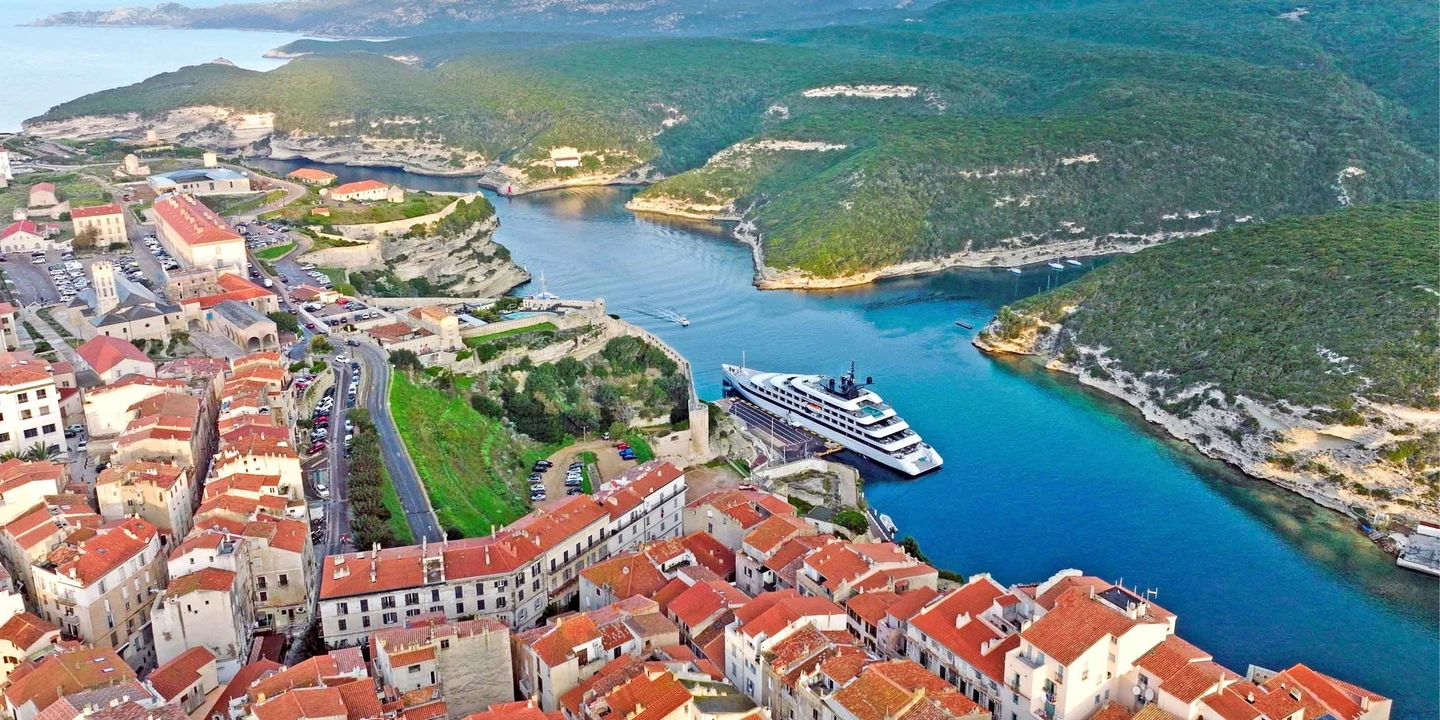
First, what counts as a small yacht cruise?
There is no single universal size threshold for a small-yacht cruise. The term is commonly used for smaller vessels offering a more intimate onboard environment than large ocean ships. Examples include luxury discovery yachts and contemporary small ships operating Mediterranean, Caribbean and expedition-style voyages.
That size difference can change the experience, but it does not mean every yacht can visit every tiny harbour. Port access depends on the actual vessel, destination rules, tender arrangements and conditions. Judge a specific itinerary rather than relying on marketing shorthand.
Ports and time ashore
A smaller vessel may call at ports that are less central to mainstream large-ship itineraries. Some voyages favour islands, coastal towns or sheltered anchorages; others still visit very well-known ports. A traditional ocean cruise may offer a broader selection of sailing dates and headline destinations.
Read the day-by-day itinerary carefully. How long is the ship actually in port? Is the call alongside or by tender? Are there sea days? Would you like guided activities, or enough independent time to walk into town and enjoy lunch?
A small yacht can feel especially rewarding when the destination is the main reason for travelling, not merely a backdrop to the ship.
Onboard atmosphere and facilities
Large ships often offer more choice: entertainment venues, speciality facilities and activities for different groups. Smaller yachts are generally more focused on a relaxed onboard atmosphere, dining, lounges and views. That can feel more personal, but couples who love big productions, numerous bars or a huge choice of entertainment may genuinely prefer a larger vessel.
Do not assume smaller means informal in every respect or that larger means crowded throughout. Compare the actual ship layout, guest capacity and what is included. Cabin style, outdoor space and dining arrangements can make more difference to your comfort than an overall label.
Price and inclusions need close attention
Yacht cruises may include more within the headline fare, but inclusion lists vary substantially between brands, ships and departures. Excursions, drinks, transfers, gratuities and specialist experiences should all be checked individually. The cheapest-looking initial fare is not always the lowest overall holiday cost.
It is especially important to check whether any water-based equipment or excursions are included, restricted by local rules or subject to conditions. Likewise, a quoted suite category is not interchangeable with a standard cabin on another line.
We prefer to compare the total experience a couple actually wants, not two prices stripped of context.
Questions to ask about the actual sailing
Before choosing, look beyond the brochure images and read the sailing day by day. Are you visiting small towns independently, joining organised shore experiences or spending time at anchor? A tender call can be enjoyable, but it is not the same as walking directly from the ship into town. Conditions may also affect getting ashore.
Check the embarkation and disembarkation ports. Two similar-looking itineraries may require very different flights or pre-cruise overnight stays. If the holiday is a special occasion, examine suite location, outdoor space and dining arrangements. Small ships do not all use the same style of service or offer the same activities.
For couples who have dismissed cruising because they imagine enormous ships, a smaller yacht may open up a different possibility. But it is still a ship-based holiday with a shared itinerary. If complete independence is essential, a land-based multi-centre trip could be a better choice.
Which would we recommend?
Choose a smaller yacht if intimate surroundings, interesting coastal stops and destination-focused days appeal most. Choose a larger cruise ship if entertainment, broad onboard choice and the ship as a destination are priorities. Neither is inherently the more sophisticated option.
One final distinction: expedition cruising involves specialist itineraries and operations that can be very different from warm-water yacht cruising. A discovery yacht may operate both kinds of voyage, but the destination and programme determine the experience. Start with where you want to go and how active you want to be, then choose the ship.